SCUBA News~~~~~~~~~~~~~~~~~~~~~~~~~~~~~ This month, updates on diving Chuuk Lagoon and Barbardos, new liveaboard deals plus a closer look at the pantropical spotted dolphin and its continuing conservation challenges. And, as always, I round up the latest marine-life discoveries and environmental news from around the world.
You can download SCUBA News as a pdf.
What's New at SCUBA Travel?
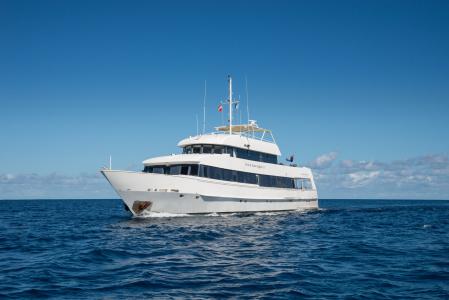
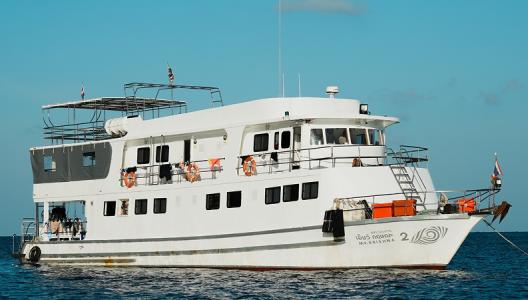
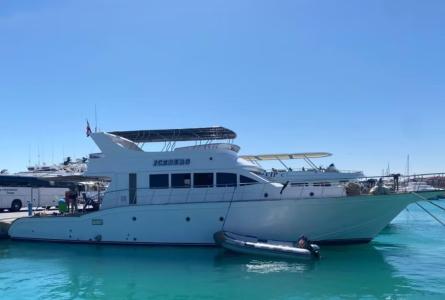
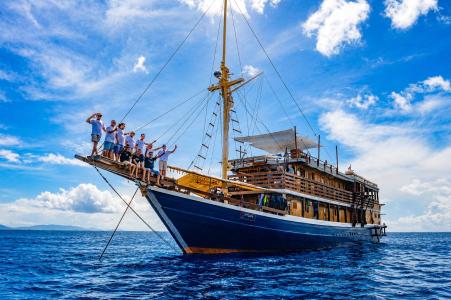
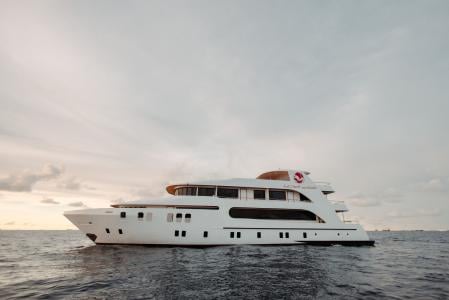
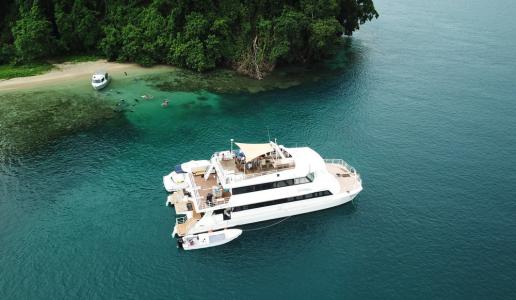
Liveaboard Deals and DestinationsHandpicked offers to save you money on liveaboard trips.
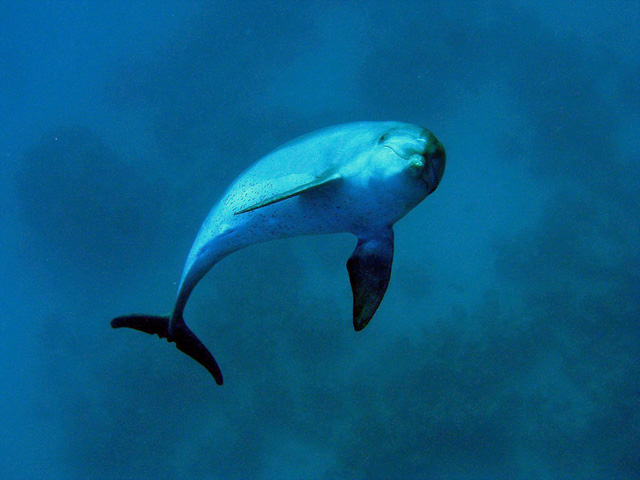
Spotted Dolphin - Stenella attenuataThere are two types of spotted dolphin, the Atlantic and the Pantropical. We are concentrating today on the Pantropical, Stenella attenuata, found in the tropical and subtropical waters of the Atlantic, Pacific and Indian Oceans, including the Red Sea.
Victims of Tuna FisheriesSpotted dolphins often swim with yellowfin tuna. Sadly, this means that they are the species to have suffered the most as bycatch in the purse seine nets of the tuna fishery. Tuna fishermen used to watch for the dolphins, then set their nets and encircle both dolphins and tuna, killing dolphins in the process. Historically, millions of dolphins have been killed in this way, with the spotted dolphin accounting for 80% of the casualties. The bycatch, though, has reduced from hundreds of thousands per year in the 60s and early 70s to around a thousand dolphins a year now. Much better, but still too many.
The fishers are still catching many dolphins in their purse seine nets but now employ methods to release them. For example, backing the ship up to release the dolphins, and if this does not work having swimmers manually release them. This can cause stress to the dolphins and lead to separation between mother and calf. In many dolphin schools encircled by nets, the calves are missing. Because the fishing chase is a fast-moving, chaotic environment it may be difficult for mothers and calves to maintain their normal swimming positions. Fishing has also been shown to reduce reproductive rate.
Different diets for mothersSpotted dolphins feed on many varieties of fish and squid found near the surface of the water. Pregnant females prefer squid, nursing mothers fish. Females reach maturity between 6 and 8 years of age or when the animal is about 2 m long. Males take longer to mature, between 10 and 14 years. The dolphins mate and calve throughout the year. Pregnancy lasts 11.5 months and then the mothers nurse their calves for 11 or more months. Young spotted dolphins are playful and leap high into the air out of the water. They are not spotted at birth: the spots appear as they grow older.
Where to see themIn warm water around the world, especially the Bahamas and the Eastern Tropical Pacific. A dolphin encounter underwater is a really memorable experience. But everyone loves to see a dolphin, whether on or beneath the surface. Sources and References: Class > Mammalia, Order > Cetacea, Suborder > Odontoceti, Family > Delphinidae, Genus > Stenella, Species > Stenella attenuata Diving news from around the World
SCUBA News is licensed under a Creative Commons Attribution 4.0 Unported License. This means we are happy for you to reuse our material for both commercial and non-commercial use as long as you: credit the name of the author, link back to the SCUBA Travel website and say if you have made any changes. Most photos though, are copyright the photographer. Please get in touch for details. Photo credits: Tim Nicholson; Jill Studholme; Albrecht Fischer; Heidi Bruce; Andrea Izzotti/DepositPhotos; NMFS, E. Hoffmayer, S. Iglesias and R. McAuley, Public domain; divebooker.com UNSUBSCRIBING ADVERTISING CONTACTING THE EDITOR |









 RSS Feed (xml)
No comments:
Post a Comment